Why Visiting a Travel Vaccine Clinic Matters More Than Ever
International travel has become more accessible in recent years. People travel for holidays, work, education, and family visits. While exploring new places can be exciting, it also brings health risks that may not exist at home. This is why a travel vaccine clinic plays a vital role in modern travel planning.
Understanding how these clinics support safe journeys helps travellers make informed choices before departure.
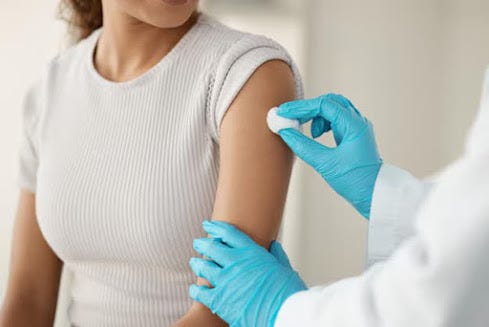
Global Travel Brings New Health Risks
Diseases that are rare in the UK may still be present in other parts of the world. Illnesses such as yellow fever, typhoid, and hepatitis A are more common in certain regions.
A travel vaccine clinic reviews your destination and advises which vaccines may be needed. Without proper preparation, travellers can face preventable illness far from home.
Protection through vaccination reduces risk and supports peace of mind during travel.
Personalised Health Advice
Every trip is different. A beach holiday in Europe carries different risks compared with trekking in rural Asia or working in parts of Africa.
A professional at a travel vaccine clinic will ask about:
- Your destination
- Length of stay
- Planned activities
- Accommodation type
- Medical history
This personalised approach ensures that advice matches your individual travel plans.
Protection Beyond Vaccination
Vaccines are only part of travel health. A travel vaccine clinic also provides guidance on food safety, insect bite prevention, and malaria precautions where relevant.
According to UK travel health guidance, preventive advice significantly lowers the risk of illness abroad. Simple measures such as using insect repellent or avoiding unsafe water can prevent serious infection.
Comprehensive advice supports safer travel.
Updated and Reliable Information
Travel health recommendations change over time. Disease outbreaks, vaccination requirements, and entry rules can vary from year to year.
A regulated travel vaccine clinic follows national and international guidance to provide up-to-date advice. Healthcare professionals monitor official sources and adjust recommendations accordingly.
Reliable information prevents confusion and helps travellers meet entry requirements.
Legal and Certification Requirements
Some countries require proof of vaccination for entry. For example, yellow fever vaccination must be recorded on an official certificate issued by an authorised centre.
A registered travel vaccine clinic provides the necessary documentation. Without proper certification, travellers may face delays or denial of entry at borders.
Ensuring compliance before departure avoids unnecessary stress.
Protecting Vulnerable Travellers
Children, older adults, and people with medical conditions may require careful assessment before receiving certain vaccines.
At a travel vaccine clinic, healthcare professionals review medical history to determine safe options. Some vaccines may not be suitable for individuals with weakened immune systems or allergies.
Personalised assessment protects both safety and effectiveness.
Reducing Strain on Healthcare Systems
Preventing illness during travel also reduces strain on healthcare systems abroad and at home. Travellers who fall ill overseas may require urgent care, which can be costly and stressful.
By attending a travel vaccine clinic, individuals reduce the risk of bringing infections back to their home country. Vaccination protects not only the traveller but also the wider community.
Prevention benefits public health.
Planning Ahead Reduces Anxiety
Leaving health preparation until the last minute can lead to worry. Some vaccines require multiple doses or must be given weeks before travel.
Booking an appointment at a travel vaccine clinic at least four to eight weeks before departure provides enough time for full protection to develop.
Early planning supports calm and confident travel.
Professional Standards and Safety
In the UK, travel vaccines are provided by qualified nurses or doctors who follow national guidelines. Clinics maintain strict hygiene standards and proper storage for vaccines.
A reliable travel vaccine clinic ensures that vaccines are stored at the correct temperatures and administered safely. Professional training supports accurate dosing and monitoring.
Safety remains the priority at every step.
Increased Awareness After Global Health Events
Recent global health events have raised awareness about infectious diseases and prevention. Many travellers now recognise the value of preparation before international trips.
As a result, more people are turning to a travel vaccine clinic for advice before leaving the country. Awareness of global health risks has strengthened the importance of preventive measures.
Responsible travel begins with informed choices.
Building a Habit of Health Preparation
Regular travellers benefit from building a relationship with a travel vaccine clinic. Keeping vaccination records organised and up to date makes future planning easier.
Routine consultations ensure that booster doses are given when needed and that advice reflects current travel destinations.
Steady preparation supports ongoing safety.
Final Thoughts
A travel vaccine clinic plays a key role in modern travel planning. By offering personalised advice, updated information, and safe vaccination services, these clinics help travellers protect their health abroad.
Preparing early, seeking professional guidance, and following preventive advice reduce the risk of illness and disruption. Careful planning before departure allows you to focus on enjoying your journey with greater confidence and security.


.jpg)
Comments
Post a Comment