Smart Questions to Ask Your Dentist in Orpington for Better Oral Health
Visiting a dentist in Orpington should feel like a partnership. Your dentist looks after your teeth and gums, but you also play a role by asking clear questions. Many people sit quietly during appointments, even when they feel unsure. Yet asking the right questions helps you understand your treatment and care for your mouth properly.
This guide shares practical questions you can ask a dentist in Orpington to make every visit more useful and reassuring.
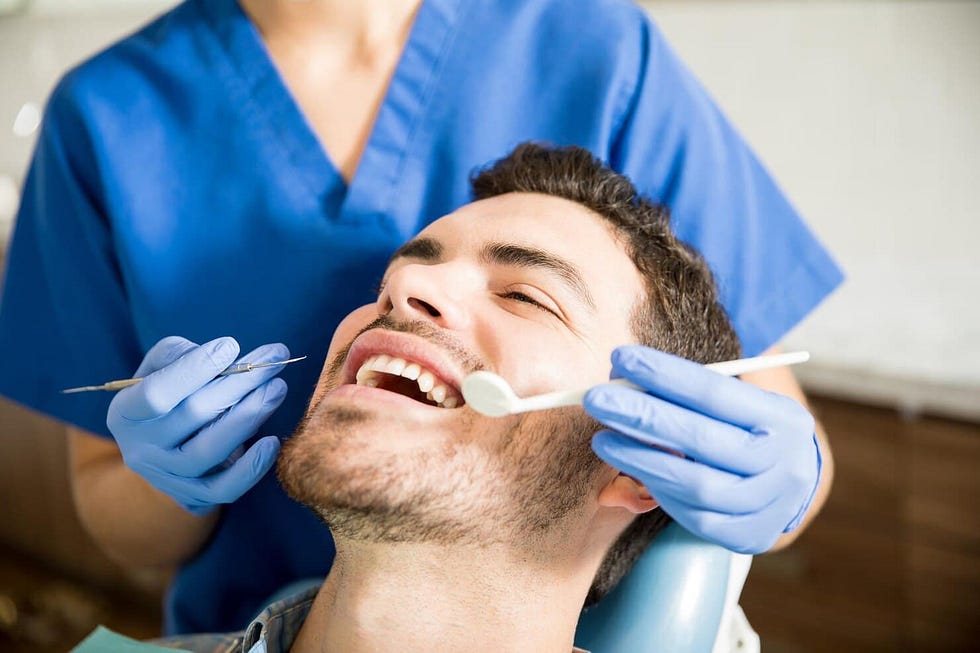
1. How Healthy Are My Teeth and Gums?
Start with a simple question about your overall oral health. Ask your dentist in Orpington to explain what they see during the examination. Are there early signs of decay? Are your gums healthy?
Dentists check for cavities, gum disease, and wear on enamel. According to NHS guidance, gum disease affects many adults in the UK, often without pain in the early stages. Understanding your current condition helps you prevent bigger problems later.
Ask for clear explanations in plain language. If something is unclear, request further detail.
2. Am I Brushing and Cleaning Correctly?
Many people believe they brush well, yet technique matters. Ask your dentist in Orpington if you are brushing correctly and whether you should change your method.
You might ask:
- Should I use a soft or medium brush?
- How long should I brush?
- Do I need floss or interdental brushes?
Dentists often suggest brushing twice daily with fluoride toothpaste. They may also show you areas you miss. Small changes in daily habits can protect your teeth for years.
3. How Often Should I Have Check-Ups?
There is no single rule for everyone. Some people need visits every six months, while others may attend less often. Ask your dentist in Orpington how frequently you should return.
This advice depends on your risk of decay, gum condition, and medical history. Regular reviews allow early detection of problems. Early care usually means simpler treatment.
4. Do I Need Any Treatment Now?
If your dentist suggests treatment, ask why it is necessary. A responsible dentist in Orpington will explain the reason clearly. For example, a filling may stop decay from spreading deeper into the tooth.
You can also ask:
- What happens if I wait?
- Are there different treatment options?
- How long will it take?
Open discussion supports informed decisions.
5. What Are the Costs Involved?
Dental fees vary depending on treatment and whether you choose NHS or private care. Before agreeing to treatment, ask your dentist in Orpington for a written treatment plan.
This plan should include:
- The type of procedure
- The cost
- Possible alternatives
- Clear cost information builds trust and avoids confusion later.
6. Are My Gums Healthy?
Gum health is as important as tooth health. Early gum disease can cause bleeding when brushing. Many people ignore this sign.
Ask your dentist in Orpington to explain your gum score. Dentists often measure gum pockets to check for signs of disease. Early gum problems can often be improved with professional cleaning and better home care.
Untreated gum disease can lead to tooth loss. Clear advice now protects your future smile.
7. Do You Screen for Oral Cancer?
Routine dental visits include checks for unusual changes in the mouth. Oral cancer cases have increased in the UK in recent years, making early detection important.
Ask your dentist in Orpington whether they perform oral cancer screening during check-ups. The examination is quick and painless. Early discovery greatly improves treatment outcomes.
8. How Can I Improve My Diet for Better Oral Health?
Food and drink affect teeth. Frequent sugar intake increases the risk of decay. Acidic drinks can weaken enamel.
A thoughtful dentist in Orpington can suggest small changes that reduce risk. For example, limiting sugary snacks between meals and drinking water after acidic drinks may help protect enamel.
Practical guidance tailored to your habits makes advice easier to follow.
9. What Should I Do in an Emergency?
Dental pain can occur suddenly. Ask your dentist in Orpington about emergency procedures. Do they offer same-day appointments? Who should you contact outside normal hours?
Knowing the plan before an emergency happens reduces stress.
10. Are There Signs I Should Watch for at Home?
Finally, ask what warning signs require attention. These may include:
- Bleeding gums
- Ongoing tooth pain
- Sensitivity to hot or cold
- Loose teeth
A dependable dentist in Orpington will explain which changes are normal and which need review.
Building Confidence Through Conversation
Dentistry should feel collaborative. A trusted dentist in Orpington welcomes questions and takes time to answer them calmly. Clear communication supports informed decisions and builds long-term trust.
Patients who ask questions often feel more confident and less anxious. They also tend to follow home care advice more carefully.
Final Thoughts
Asking thoughtful questions during your visit to a dentist in Orpington strengthens your role in maintaining oral health. Clear discussion about treatment, prevention, costs, and emergency care helps you make wise decisions.
Dental appointments are not only about procedures. They are about understanding your health and building a steady partnership with a professional who supports your wellbeing. Simple questions today can protect your smile for many years ahead.


.jpg)
Comments
Post a Comment